Early childhood is a pivotal stage in a child’s development. It is during these formative years that children are extremely receptive to new ideas and experiences. By fostering a love of learning at an early age, parents and educators can lay the foundation for a lifelong passion for exploration and growth. Early intervention with a private preschool can help young learners gain confidence and curiosity, qualities that are essential for navigating both academics and life beyond the classroom.
Understanding the Power of Play-Based Learning
At the heart of early childhood learning is play, which is a powerful driver of cognitive and emotional development. Programs at a private preschool that incorporate play-based learning experience positive outcomes, as play allows little ones to engage with materials and concepts at their own pace. This experiential form of learning taps into a child’s natural curiosity and desire to explore the world around them. Consequently, young learners develop a positive association with learning that can lead to academic success and personal fulfillment.
Growing Interest in Early Education
Moreover, research indicates that early education trends are shifting as parents increasingly recognize the importance of fostering early learning. According to a survey by the Cato Institute, a public policy research organization, 55% of private schools saw enrollment increases between the 2021–22 school year and 2022–23 school year. This shift suggests that more parents are actively seeking educational environments that prioritize early learning and development. The increased enrollment is a testament to the growing awareness of the benefits of early childhood education in developing critical thinking and problem-solving skills.
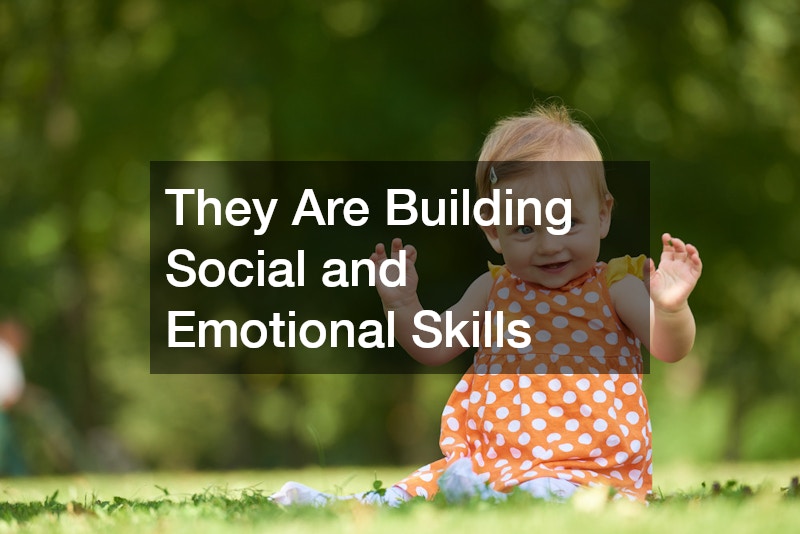
Building Social and Emotional Skills
In addition, little ones who are exposed to diverse learning environments from a young age in a private preschool often develop better social skills and higher emotional intelligence. Collaborative projects and interactive activities help young learners understand empathy, cooperation, and cultural diversity. By engaging with various perspectives and peers, young learners learn to communicate more effectively and build relationships, skills essential in today’s interconnected world.
Early childhood is an ideal time to instill a love of learning because of the unique developmental characteristics of this age group. By providing an enriching, supportive, and engaging learning environment, parents and educators can help little ones develop the skills and passion they will carry throughout their educational journey and beyond. Investing in early childhood education is an investment in the future, as these formative years shape productive, lifelong learners.